My Body? My Sex!
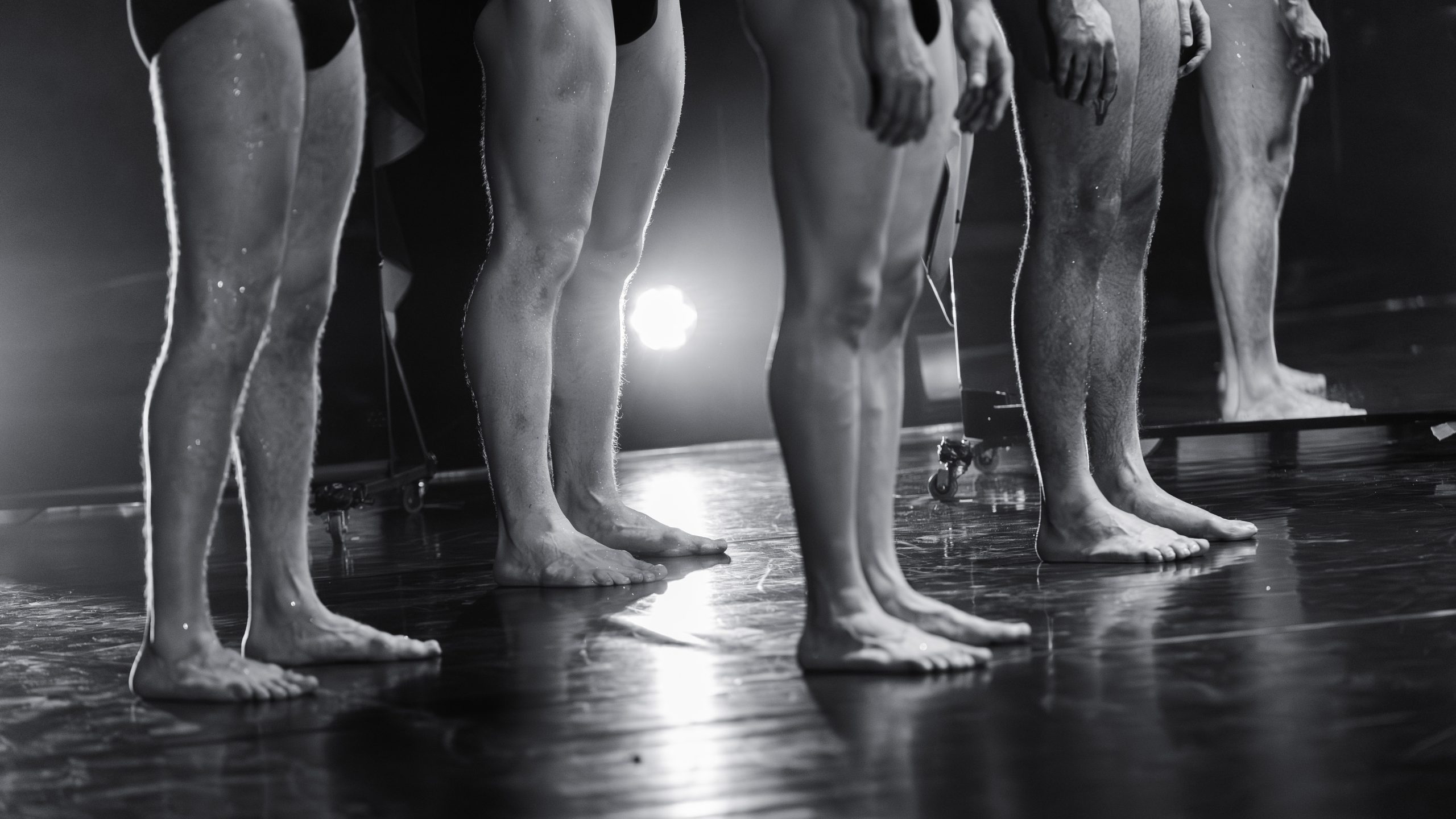
Artistic Direction and Choreography: NOÉ
Interpretation: Claudio Murabito, Inês Margarida Rodrigues, José Jalane and Leo Souza [With the participation of the Lisbon Laboratory community]
Curator of Artistic Research and Lead Anthropologist: Chiara Pussetti
Research Support, Reflection and Mediation: Paula Allen and Helder Bértolo
Writing Support and Proofreading: Martim Pedroso
Technical Direction and Light Design: Ricardo Campos
Sound Design and Sound Engineering: Gadutra
Executive Production: Du Fonseca
Residency Support: BÓIA – Associação Cultural and Vo’Arte
Co-production: Theatro Gil Vicente and Câmara Municipal de Barcelos; Teatro das Figuras and Câmara Municipal de Faro
Support: República Portuguesa – Cultura, Juventude e Desporto / Direção Geral das Artes
A Prodcution NO é Artes Performativas
An original choreographic work and research project by the choreographer NOÉ that explores the transformative and liberating potential of the body through a critical reflection on gender, identity, sexuality, desire and the power dynamics that permeate bodies in the contemporary social context.
The project comes from questions raised in the artist’s previous work, A Hierarquia do Medo!, which explored fear as a mechanism of control and violence. This process revealed how the construction of socially accepted gender behaviour centred on toxic masculinity — fuelled by social stereotypes of binary gender — can contribute to dynamics of exclusion and violence.
In My Body? My Sex!, the focus shifts to the possibility of imagining and exploring alternative ways of inhabiting the body and desire, challenging established social norms and broadening the scope of representation in contemporary theatre.
The creative process unfolds through an interdisciplinary research approach in dialogue with experts in anthropology, gender and sexuality studies, as well as through participatory methodologies that include meetings and creative workshops with local communities, with a particular focus on the narratives of LGBTQIA+ communities. Using tools such as participant observation, focus groups, improvisation, active listening and creative writing, testimonies and experiences are gathered, which are subsequently transformed into dramaturgical and choreographic material for the creation of the piece.